Cutting into process pipework is a routine job during shutdowns and modifications, but it is never a casual one. The pipe may have held hydrocarbons, toxic gas such as hydrogen sulphide, or pyrophoric scale that can ignite when exposed to air. This guide sets out the usual steps for cutting pipe safely in hazardous areas.
Every site has its own permit system and procedures. In Saudi Aramco facilities, for example, work permits are controlled under the company’s General Instructions. Always follow the procedures of the plant you are working in. This article explains the general approach.
Step 1: Plan the cut
- Identify the exact cut location and mark it on the pipe and on the drawing.
- Find out what the line carried and what residues may be inside.
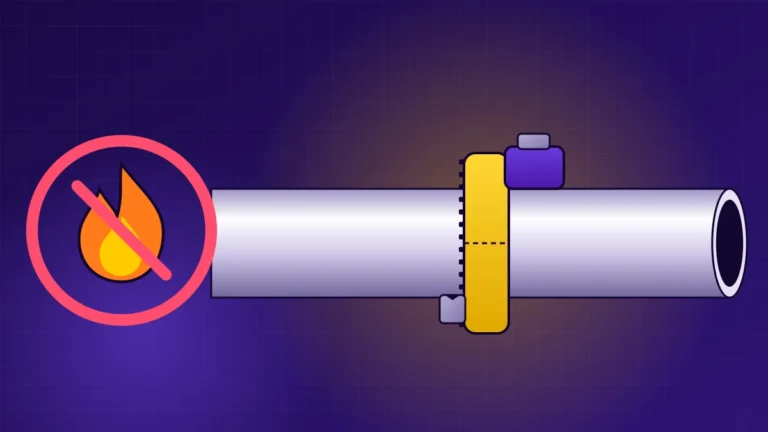
- Decide the cutting method. In classified areas, cold cutting is usually preferred because it removes the main ignition source.
- Plan pipe supports so the line does not drop or spring when it is cut.
Step 2: Isolate
- Isolate the section with valves, then positive isolation: blinds, spades or removed spools, as the plant requires.
- Lock and tag isolation points.
- Depressurise and confirm zero pressure with gauges and bleeds.
Step 3: Drain, clean and purge
- Drain liquids to a closed system where possible.
- Steam out, water wash or chemically clean if residues are present.
- Purge with nitrogen to remove flammable vapour and oxygen. Our nitrogen purging procedure explains how this is done and measured.
Step 4: Gas test
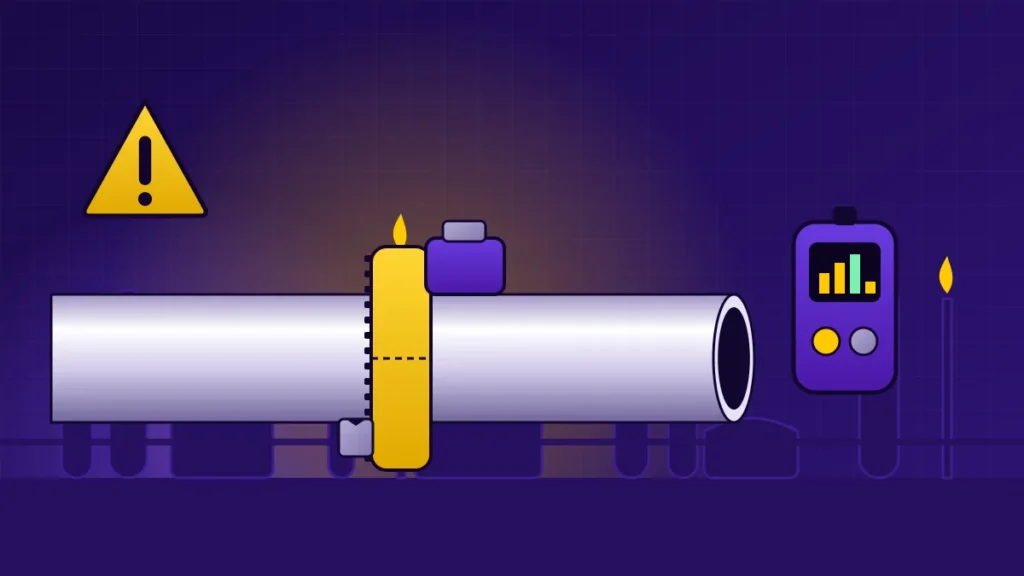
- Test for flammable gas (LEL), oxygen, and toxic gases such as H₂S at the cut location and inside the pipe where possible.
- Record results on the permit.
- Plan continuous or repeat gas testing during the job, as the permit requires.
Step 5: Get the right permit
The permit type depends on the method and the area:
- Cold work permit: often used for cold cutting, subject to the site’s rules.
- Hot work permit: needed for flame, arc or spark-producing methods. Usually needs a fire watch, fire extinguishers and sometimes a habitat.
- Confined space entry permit: if anyone enters a vessel or large pipe.
Step 6: Cut and control
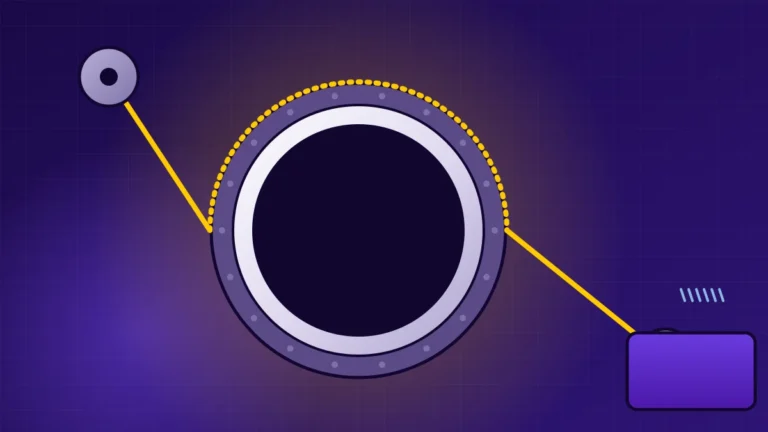
- Mount the clamshell lathe or saw, and check supports again.
- Use coolant to keep the cut cool and catch chips.
- Watch for pyrophoric iron sulphide scale. Keep it wet and remove it safely, because it can self-heat and ignite when it dries in air.
- Stop work if gas readings change or conditions on the permit are no longer met.
Step 7: Protect the open ends
- Cap or blind the open ends straight away.
- Keep the ends clean and dry if they will be welded.
- If the line will stay open for a long time, consider a nitrogen blanket.
Common hazards and controls
| Hazard | Control |
|---|---|
| Flammable vapour | Isolation, purging, gas testing, cold cutting |
| H₂S or other toxic gas | Gas testing, breathing apparatus where required |
| Pyrophoric scale | Keep wet, remove promptly, avoid heat |
| Trapped pressure or liquid | Bleed points, check gauges, drain fully |
| Pipe movement after cut | Supports and clamps on both sides |
| Nitrogen asphyxiation | Gas testing for oxygen, no entry into purged spaces without a permit |
Frequently asked questions
Does cold cutting remove the need for a hot work permit?
Often, but not always. The permit issuer decides based on the method and the area. Many sites treat cold cutting as cold work.
Why purge with nitrogen and not just air?
Air brings oxygen, which can create a flammable mixture with vapours left in the line. Nitrogen removes both vapour and oxygen. See nitrogen purging services.
Who should be on site during the cut?
The cutting crew, the permit holder and any standby people the permit requires, such as a fire watch or gas tester.
Our pipe cold cutting services work under client permit systems across the Kingdom, including Abqaiq, Haradh and Khafji. Contact our team.