When a flange face is damaged by corrosion, scratches or erosion, there are two main options: machine it in place with a portable flange facing machine, or cut it out and weld in a new flange. The right choice depends on the damage, the material and the time you have.
Option 1: On-site flange facing
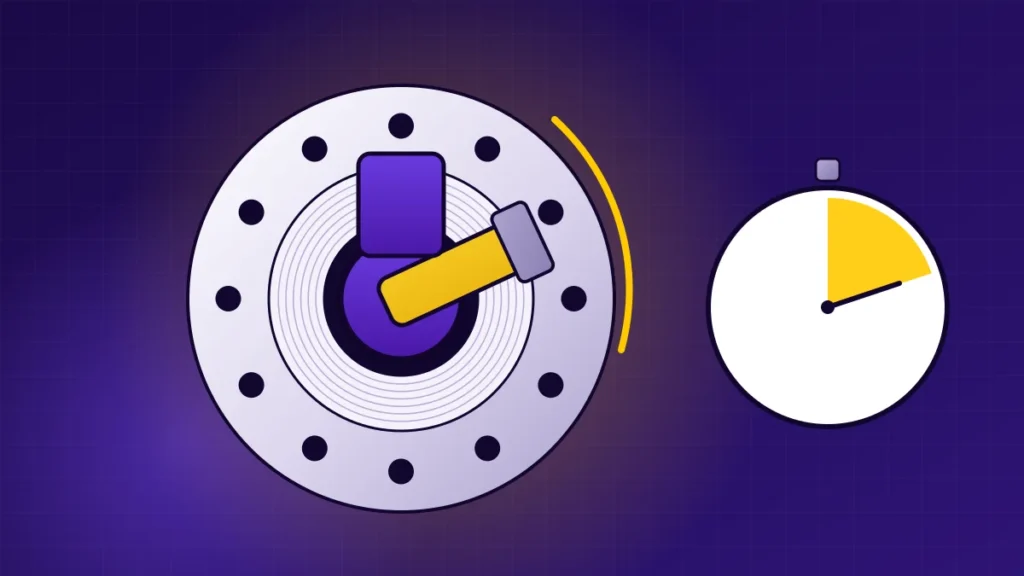
A portable facing machine is clamped to the flange and machines a new surface in place. The job typically involves:
- Opening the joint and cleaning the face.
- Mounting the machine (internal or external mounting).
- Setting up and checking the machine is true to the flange.
- Machining in light cuts until the damage is gone.
- Producing the required finish, for example a serrated finish for spiral wound gaskets.
- Checking finish, flatness and remaining thickness.
Advantages
- No cutting or welding, so no hot work, no post-weld heat treatment and no new NDT.
- Usually much faster: often hours rather than days.
- Original material and pipe alignment are kept.
- Lower cost in most cases.
Limits
- Each machining cut removes metal. The flange must stay above the minimum thickness, and raised face height must stay within limits.
- Cannot fix cracks in the flange body or deep corrosion through the hub.
Option 2: Replacing the flange
Replacement means cutting out the old flange, preparing a weld bevel, welding a new flange, and doing heat treatment and inspection as required.
Advantages
- A completely new flange, with full thickness.
- Can also fix problems in the weld neck or the pipe next to it.
Limits
- Hot work, welding, NDT and possibly PWHT add days to the schedule.
- Requires matched materials and qualified welders.
- Alignment must be re-established.
- Higher cost and more permits.
Comparison
| Factor | On-site flange facing | Flange replacement |
|---|---|---|
| Typical time | Hours | Days |
| Hot work | No | Yes (unless cold cut and pre-fabricated) |
| Welding, NDT, PWHT | No | Yes, as required by the code |
| Material removed | A small amount from the face | Whole flange replaced |
| Fixes cracks in the body | No | Yes |
| Cost | Lower | Higher |
How to decide
Machine in place when:
- damage is on the face only (scratches, pitting, gasket burn-in);
- there is enough thickness left after machining;
- the schedule is tight.
Replace when:
- the flange is cracked or corroded through the hub;
- previous machining has already used up the allowance;
- the flange class or type has to change.
A good contractor will measure the face and thickness before machining starts and tell you if replacement is the safer route.
Planning tips
- Check flange thickness and raised face height before the shutdown if you can.
- Keep records of previous machining, so you know how much allowance is left.
- Have new gaskets ready that suit the new finish (see the flange face finish guide).
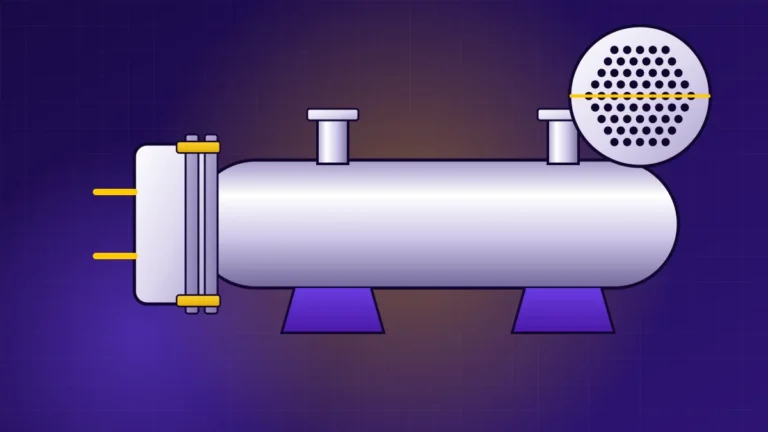
- For heat exchangers, plan access to channel covers and girth flanges early. Read more about heat exchanger flange repair.
Frequently asked questions
How much metal is usually removed?
Just enough to clean up the damage, often a fraction of a millimetre. The exact amount depends on the depth of damage.
Can facing be done with the pipe still connected?
Yes. That is the main advantage of portable machines. The joint is opened, but the flange stays welded in place.
Does machining change the flange rating?
Not if the flange stays within the dimensions and thickness required by its standard. If it does not, the flange should be replaced.
Our flange facing services include measurement, machining and records, in cities such as Dammam, Rabigh and Ras Tanura. Contact us for a quote.