If you work on flanged joints in Saudi Arabia, you will see “to ASME PCC-1” in scopes of work, method statements and client specifications. But many people have never read it. This article explains what ASME PCC-1 is, what it covers, and what it means for the people doing the work.
What is ASME PCC-1?
ASME PCC-1, Pressure Boundary Bolted Flange Joint Assembly, is a guideline published by the American Society of Mechanical Engineers. It describes good practice for assembling bolted flanged joints with ring-type gaskets, so they seal reliably.
It is a guideline, not a code. It becomes a requirement only when a client or contract says so. In practice, most major operators in the Kingdom refer to it, either directly or through their own standards that are based on it.
What it covers
The main topics are:
- Training and qualification of bolted joint assembly personnel (Appendix A).
- Cleaning and inspection of flange faces, studs and nuts.
- Alignment of flanges before assembly.
- Gasket installation, including using new gaskets and not using tape or grease on them unless the maker allows it.
- Lubrication of threads and nut faces.
- Tightening methods, with torque or tensioning tools.
- Tightening patterns and passes, including the legacy cross pattern and alternative patterns that save time.
- Target bolt stress and how to choose it.
- Joint records and tagging.
- Disassembly of joints.
Tightening patterns
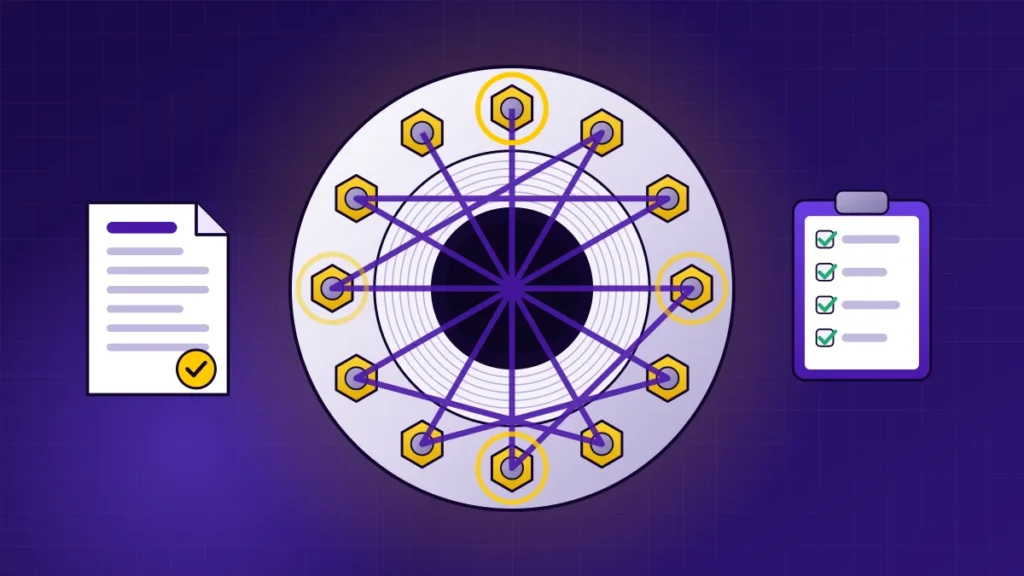
The traditional method is the legacy cross pattern: bolts are numbered and tightened in a star sequence, in steps (for example 20–30%, 50–70%, then 100% of target torque), followed by circular passes at 100% until nuts no longer turn.
PCC-1 also describes alternative patterns that group bolts or tighten in a circular order after the first snug pass. These can cut assembly time a lot on large joints, but they should only be used when the team is trained and the plant accepts them.
Whatever pattern is used, the key ideas are the same:
- Bring the flanges together evenly, without cocking.
- Increase the load in steps, not all at once.
- Finish with check passes at full load, because tightening one bolt relaxes its neighbours (“elastic interaction”).
Target bolt stress
Older practice used one torque value per bolt size. PCC-1 moves away from that. It explains how to choose a target bolt stress for each joint, balancing three limits:
- High enough to seat the gasket and keep it sealed under pressure.
- Low enough not to crush the gasket.
- Low enough not to yield the bolts or overstress the flange.
For many standard joints with B7 studs, the target falls somewhere around 40% to 70% of bolt yield. The torque is then worked out from the target load and the lubricant’s nut factor. Our flange bolt torque chart shows a worked example.
Training: Appendix A
Appendix A describes a training and qualification scheme for bolting technicians, with classroom and practical assessment. It also defines roles such as qualified bolting specialist and senior specialist.
On Saudi sites, operators increasingly ask for evidence of this kind of training in the contractor’s pre-qualification. It is worth checking when you choose a contractor.
Joint records
PCC-1 encourages a written record for each joint, showing:
- joint ID and location;
- flange size, class and face type;
- gasket type and material;
- stud and nut material, size and lubricant;
- tightening method, tool and calibration;
- target load or torque, and passes completed;
- names of the people who did and checked the work.
These records make leak investigations much easier and help plan the next shutdown.
How Saudi plants apply it
Large operators usually combine PCC-1 with their own documents and with the gasket and flange maker’s instructions. On site this normally means:
- a method statement that names the tightening method and pattern;
- a joint register for the shutdown scope;
- calibrated hydraulic wrenches or tensioners with certificates;
- tagging and sign-off of each joint, often with a separate check by the client’s inspector.
Try the free bolt torque calculator to see how target stress and lubricant change the torque.
Frequently asked questions
Is ASME PCC-1 mandatory in Saudi Arabia?
Not by law. It is required when the client or contract specifies it, which is common on refinery, petrochemical and gas plant work.
Does PCC-1 give torque values?
It gives guidance and example tables, but it expects target loads to be chosen for the joint. Using a fixed torque for each bolt size without checking the gasket and flange limits is not in the spirit of the document.
Does PCC-1 apply to tensioning too?
Yes. It covers both torque and tensioning methods. See our comparison of bolt torquing vs tensioning.
Which edition should we use?
The edition named in your contract or client standard. ASME updates the document from time to time, so check before you write the procedure.
Our bolt torquing teams work to client procedures based on ASME PCC-1 across the Kingdom, from Dammam to Jeddah. Ask us for a method statement for your next job.